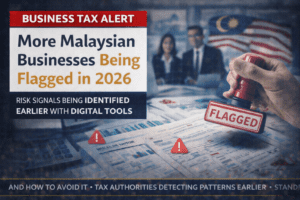
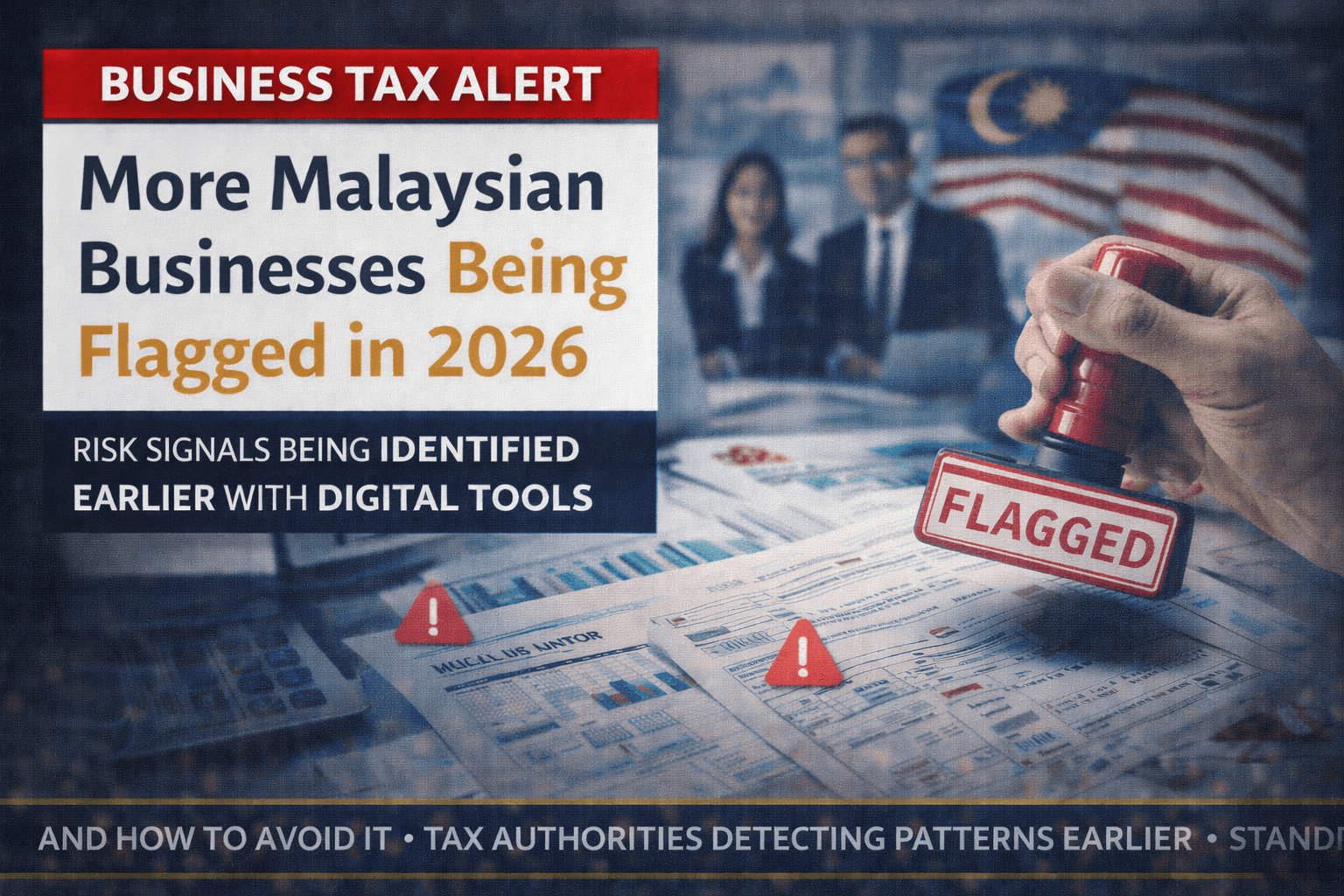
In 2026, more businesses are being flagged — not necessarily because they are doing something wrong, but because their data is telling a different story.
With the rise of digital reporting systems, tax authorities now have greater visibility into business activity.
The result is simple:
Inconsistencies that were previously unnoticed are now easier to detect.
It’s Not Always About Non-Compliance
Many business owners assume that being flagged means serious wrongdoing.
In reality, most cases come from:
- Inconsistent financial records
- Misaligned reporting across systems
- Missing or incomplete documentation
- Timing differences in revenue recognition
These are operational issues — not intentional actions.
But in a data-driven environment, they create patterns.
And patterns trigger attention.
What Authorities Are Looking For
Modern compliance systems are designed to identify:
- Mismatches between declared income and transaction data
- Irregular patterns in reporting
- Unusual fluctuations in revenue
- Inconsistencies across filings
The focus is no longer just on totals.
It is on data behaviour over time.
Common Reasons Businesses Get Flagged
1. Disconnected Systems
Sales, accounting, and reporting platforms are not aligned. This creates discrepancies even when transactions are legitimate.
2. Manual Adjustments Without Documentation
Adjustments are made to “fix” numbers but are not properly recorded or explained.
3. Inconsistent Reporting Practices
Different methods used across months or departments create irregular patterns.
4. Weak Internal Review Processes
Without periodic checks, small errors accumulate over time.
Why 2026 Feels Different
The difference today is not just enforcement.
It is visibility.
With tools like:
- e-Invoicing
- Digital reporting
- Automated data analysis
Authorities are no longer relying solely on audits.
They are identifying risks earlier.
Being Flagged Is Not the End — But It Has Consequences
When a business is flagged, it can lead to:
- Requests for clarification
- Audit reviews
- Additional documentation requirements
- Delays in approvals or financing
Even if no penalties are imposed, the process can disrupt operations.
How Businesses Can Reduce Risk
Avoiding unnecessary attention starts with strengthening internal processes.
Key steps include:
Align Your Systems
Ensure consistency between sales, accounting, and reporting data.
Document Everything
Every adjustment should have a clear explanation and audit trail.
Standardise Reporting
Use consistent methods across periods.
Review Regularly
Periodic internal reviews help identify issues early.
Prevention Is More Efficient Than Correction
Fixing issues after being flagged is time-consuming and disruptive.
Preventing them is more efficient.
Businesses that maintain structured systems operate with:
- Better clarity
- Stronger control
- Lower risk exposure
How AMRE Supports Businesses
At AMRE Management Services, we help businesses identify and resolve gaps before they become visible externally.
Our approach includes:
- Compliance review
- Data consistency checks
- Reporting alignment
- Process improvement
We focus on building systems that support both compliance and business continuity.
Final Thought
In 2026, businesses are not just being reviewed.
They are being analysed.
The difference between being flagged and operating smoothly often comes down to one thing:
Consistency.
If your systems are aligned and your data tells a clear story, your risk is significantly reduced.