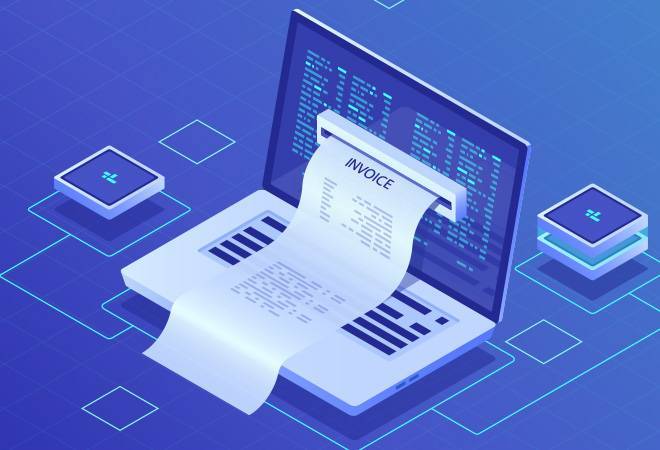
Malaysia’s move towards mandatory e-Invoicing is more than a regulatory update — it’s a structural shift in how businesses record, report, and manage financial data.
For many companies, especially SMEs, the challenge isn’t compliance itself.
It’s the transition from fragmented, manual records to a structured, digital system that works reliably — every day, not just during submission deadlines.
This is where most businesses struggle — and where the real risk lies.
Why Manual Invoicing No Longer Works
Traditional invoicing methods were built for internal tracking, not real-time regulatory reporting.
Manual processes often lead to:
- Inconsistent invoice formats
- Missing or duplicated transaction data
- Delayed reconciliation between sales, accounting, and tax records
- Higher exposure to penalties once e-Invoicing becomes enforceable
Under Malaysia’s e-Invoicing framework, data accuracy, structure, and traceability are no longer optional. Every invoice must meet specific technical and compliance standards — automatically and consistently.
E-Invoicing Is a System Change, Not a Software Problem
Many businesses assume e-Invoicing can be solved by “installing a system” or “adding a plugin”.
In reality, e-Invoicing requires:
- Proper transaction classification
- Clean, standardised data inputs
- Alignment between operational records and accounting systems
- A workflow that supports real-time submission and validation
Without this foundation, even the best software becomes a compliance risk rather than a solution.
From Raw Data to Compliant Digital Records
Successful e-Invoicing starts long before invoices are issued.
It involves:
- Reviewing how sales and income data are currently captured
- Identifying gaps between operational records and accounting requirements
- Structuring data so it meets LHDN’s e-Invoicing format and reporting rules
- Ensuring invoices can be generated, validated, and stored digitally with full audit trails
This transformation turns invoicing from a manual task into a reliable compliance system.
What Businesses Often Overlook
Many companies focus only on invoice generation — but compliance goes deeper.
Common oversights include:
- Incomplete customer or supplier data
- Mismatched invoice and accounting records
- Lack of internal controls over invoice amendments
- No clear responsibility for e-Invoicing monitoring and error handling
These issues may not be visible today, but they become critical once enforcement begins.
How AMRE Supports the Transition
At AMRE, we help businesses prepare structurally — not just technically.
Our approach focuses on:
- Assessing your current invoicing and accounting processes
- Identifying compliance risks before implementation
- Designing a practical e-Invoicing workflow aligned with your business operations
- Ensuring your records are accurate, structured, and defensible
The goal is simple:
clarity, compliance, and continuity — without disrupting your business.
Preparing Early Means Fewer Surprises Later
E-Invoicing is not a one-time setup. It’s an ongoing reporting obligation that demands consistency and discipline.
Businesses that prepare early gain:
- Lower compliance risk
- Smoother operational workflows
- Better financial visibility
- Greater confidence during audits and reviews
Those who delay often face rushed implementations, data issues, and avoidable penalties.
Ready to Prepare Your Business for E-Invoicing?
If your invoicing is still manual — or only partially digital — now is the time to act.
AMRE helps Malaysian businesses move from manual records to compliant digital systems with confidence and control.