

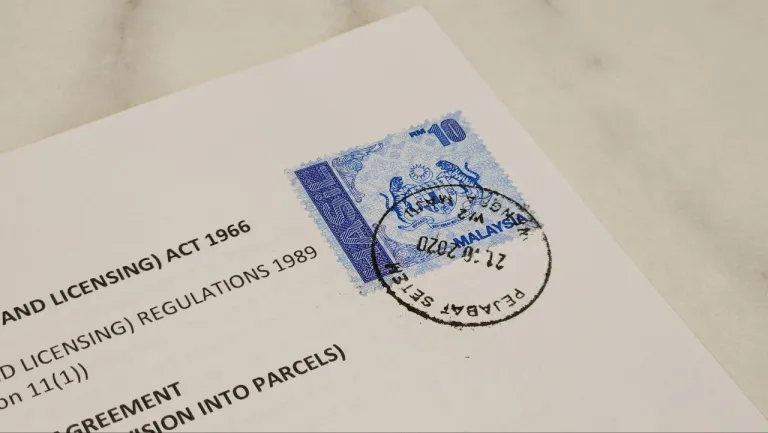
As of 1 January 2026, Malaysia has implemented a stamp duty self-assessment system, fundamentally changing how businesses manage their stamp duty obligations. Under this new Malaysia stamp duty self-assessment framework, companies are now fully responsible for determining, declaring, and paying the correct stamp duty on relevant documents.
For Malaysian SMEs and foreign-owned companies operating in Malaysia, this change increases accountability and compliance risk. Errors in assessment or delays in stamping may now lead directly to penalties, audits, or enforcement action.
This article explains what the Malaysia stamp duty self-assessment system means, why it matters to businesses, and how companies should prepare moving forward.
What Is Malaysia’s Stamp Duty Self-Assessment System?
The stamp duty self-assessment system shifts responsibility from the authorities to the taxpayer. Businesses are now required to:
- Assess whether stamp duty applies to a document
- Calculate the correct amount of stamp duty payable
- Submit and stamp documents accurately and on time
- Maintain proper records to support their assessment
Previously, stamp duty assessments were often reviewed after submission. Under self-assessment, mistakes may only be identified later through audits, increasing financial and compliance exposure.
This approach aligns stamp duty with Malaysia’s broader tax self-assessment regime, but it also demands stronger internal controls and greater awareness from businesses.
Why Stamp Duty Compliance Matters More in 2026
Stamp duty applies to many common business documents, including:
- Contracts and commercial agreements
- Lease and tenancy agreements
- Loan and financing documents
- Service agreements
- Certain cross-border or intra-group transactions
With Malaysia stamp duty self-assessment now in effect, incorrect stamping can lead to:
- Underpayment or overpayment of stamp duty
- Financial penalties and late payment fines
- Delays in enforcing contracts
- Increased audit risk and regulatory scrutiny
For foreign-owned companies, the risk is often higher due to differences between Malaysian stamp duty rules and those in other jurisdictions.
Key Compliance Risks Under Stamp Duty Self-Assessment
Businesses should be especially cautious in the following areas:
Incorrect Stamp Duty Calculation
Stamp duty rates vary depending on the type and value of a transaction. Misinterpreting how duty is calculated is a common issue under self-assessment.
Misclassification of Documents
Not all agreements are treated the same under stamp duty law. Incorrect classification may result in under-stamping or unnecessary costs.
Late Stamping of Documents
Documents must be stamped within prescribed timeframes. Even if the duty amount is correct, late stamping can still attract penalties.
Cross-Border Transactions
Agreements involving foreign entities or overseas execution often require additional analysis. These transactions are frequently misunderstood and incorrectly assessed.
What Businesses Should Do to Stay Compliant
To manage risks under the Malaysia stamp duty self-assessment system, businesses should take a proactive approach:
- Review existing and upcoming contracts for stamp duty exposure
- Strengthen internal processes for document preparation and stamping
- Ensure supporting documentation is properly maintained
- Seek clarification early for complex or cross-border transactions
Stamp duty should no longer be treated as a routine administrative task. It is now a governance and risk management issue that directly affects business operations.
What This Change Signals for Businesses in Malaysia
The move to stamp duty self-assessment reflects a broader regulatory trend in Malaysia — greater reliance on taxpayer accountability, supported by audits rather than pre-approval.
Businesses that adapt early by improving compliance awareness and internal controls will be better positioned to avoid penalties and operational disruption.
For SMEs and foreign-owned companies, understanding stamp duty obligations is becoming just as important as understanding corporate tax or statutory reporting requirements.
Conclusion
Malaysia’s stamp duty self-assessment system marks a significant shift in compliance responsibility for businesses in 2026. With greater control comes greater risk — and greater need for clarity and preparedness.
Companies operating in Malaysia should review how stamp duty is handled internally and ensure that processes are aligned with the new requirements. Proactive compliance today can prevent costly issues tomorrow.